+44 (0) 1452 556737


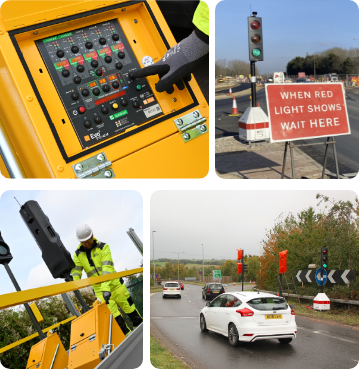





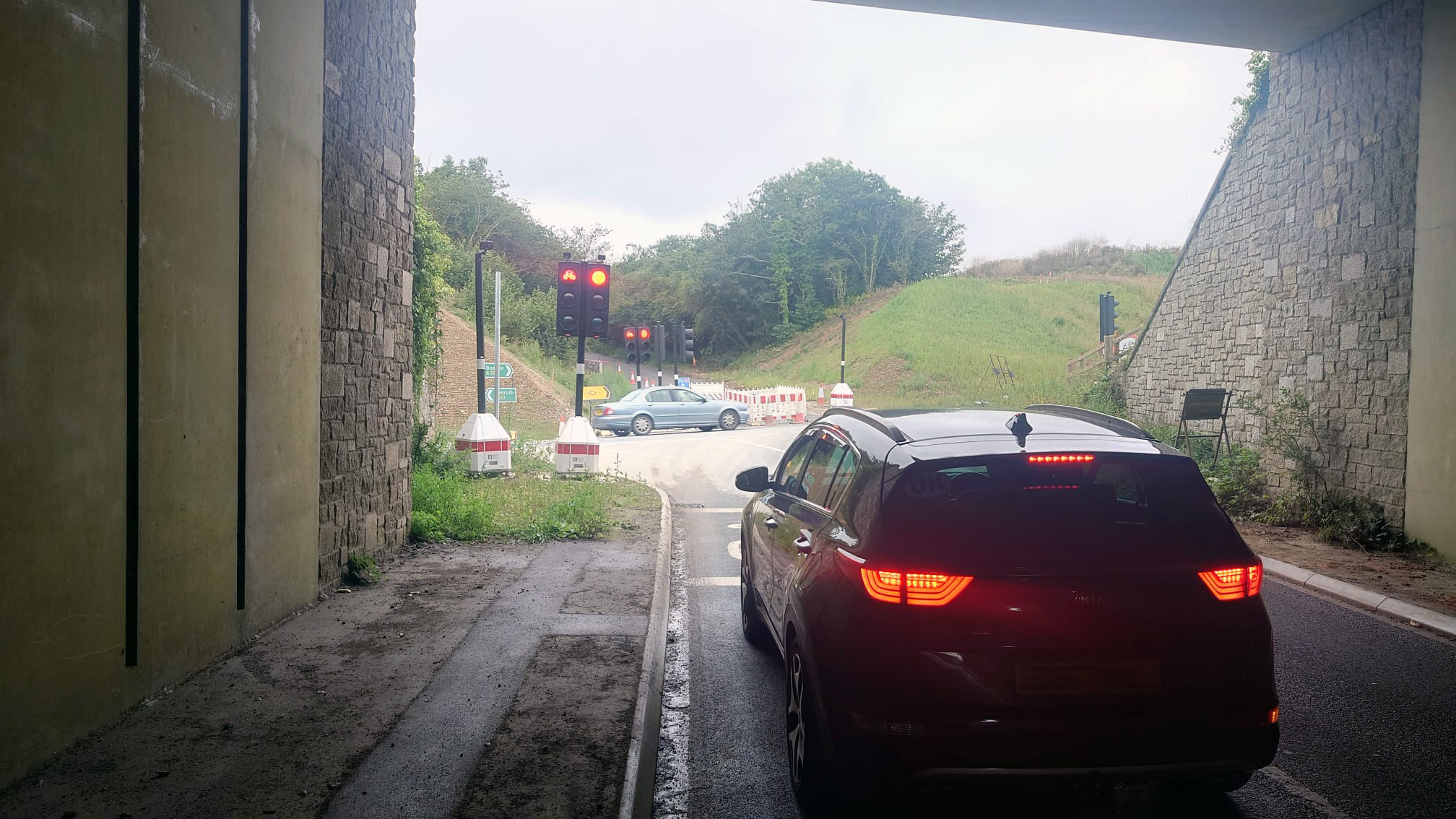
Among the project’s primary objectives was the provision of safe and efficient facilities for cyclists traversing a national cycle route. This necessitated meticulous planning and implementation to accommodate cyclists amidst the construction of the dual carriageway bypass.
Local traffic management also emerged as a paramount concern during the project’s execution, with a keen focus on minimising disruptions to the surrounding areas. The high traffic volumes along the A30, averaging approximately 22,000 vehicles per day, presented a formidable challenge in maintaining smooth traffic flow while ensuring the safety of road users, including cyclists.
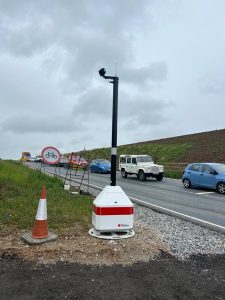
Furthermore, the project mandated sophisticated detection systems capable of operating autonomously, devoid of traditional power sources. This off-grid operation demanded innovative solutions to ensure seamless functionality and reliability of the detection systems, even in remote locations along the bypass.
Adherence to stringent design standards for cycle infrastructure, as outlined in the Design Standards for Cycle Infrastructure LTM 1/20, was imperative to ensure the project’s alignment with national cycling guidelines. This required fastidious attention to detail in the planning and execution phases to meet the prescribed standards and enhance cyclist safety.
The diverse range of vehicles journeying the A30, including heavy goods vehicles and agricultural machinery, added complexity to ensuring cyclist safety amidst varying traffic dynamics. Stringent planning and implementation of safety measures were paramount to mitigate risks and safeguard cyclists navigating the bypass.
Moreover, the high-speed nature of the A30 presented additional challenges for cyclists, requiring a secure means of crossing the road, particularly in light of vehicles exceeding the 40mph speed limit. Ensuring the safety and efficiency of cyclist crossings demanded innovative solutions to address the dynamic nature of the high-speed road environment.
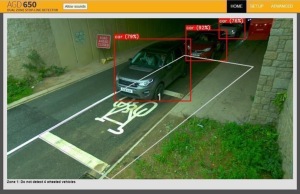
In response to these multifaceted challenges, the deployment of the AGD650 AI detection system emerged as a pivotal solution to enhance cyclist safety and traffic flow on the A30 bypass. Leveraging its advanced capabilities, including accurate cyclist detection and seamless integration, the AGD650 system proved instrumental in addressing the project’s objectives.
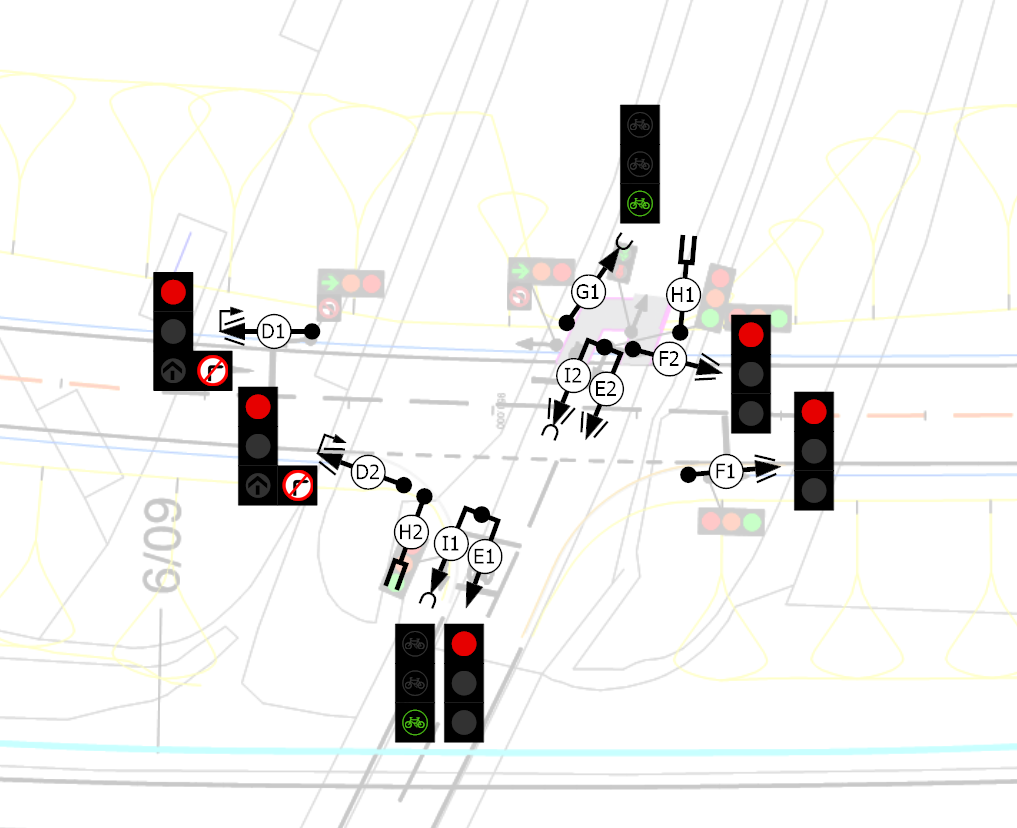
By providing precise cyclist detection and optimising signalling efficiency, the AGD650 enabled National Highways to adhere to national cycling design standards, even in temporary works environments. Activating the cycle-specific stage an average of 12 times daily underscored the system’s efficacy in enhancing cyclist safety and minimising disruptions to other road users.