+44 (0) 1452 556737




- Temporary Traffic Management
- Urban Traffic Control
- Complex Sites
Supporting the Traffic Management Industry
Built Around the Needs of Traffic Management Professionals
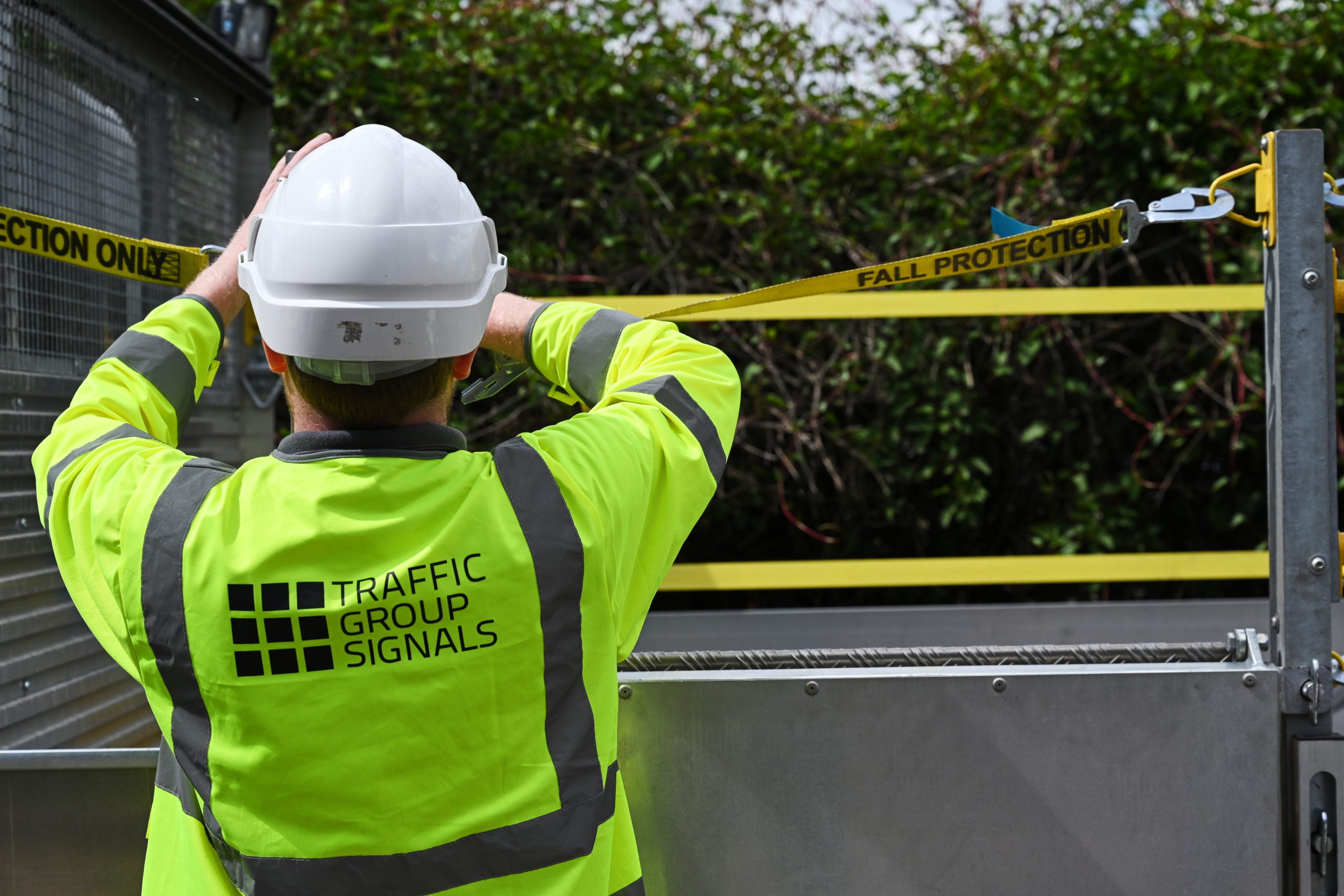
With over 100 years of combined industry expertise, Traffic Group Signals understands the complex and evolving needs of the temporary traffic management sector. From routine roadworks to highly complex schemes, we work closely with traffic management providers to deliver reliable signal solutions that support safe and efficient operations on the network.
What we deliver
Specialist temporary traffic operations
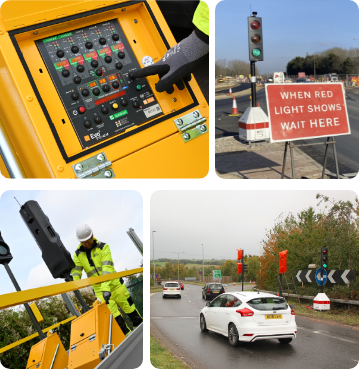
TTG supports complex temporary and constrained traffic environments with flexible control, rapid deployment and remote operational capability.
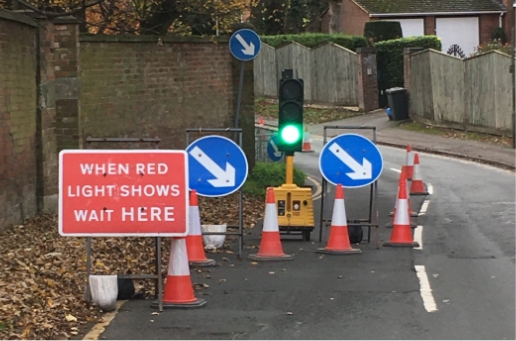
Shuttle and single-lane working
Dynamic priority switching and shuttle operation control for temporary single-lane and alternating flow sites.
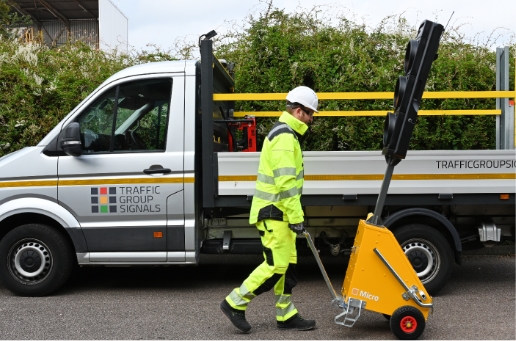
Emergency and short-term works
Rapid deployment portable signals and remote configuration for urgent and unplanned works.
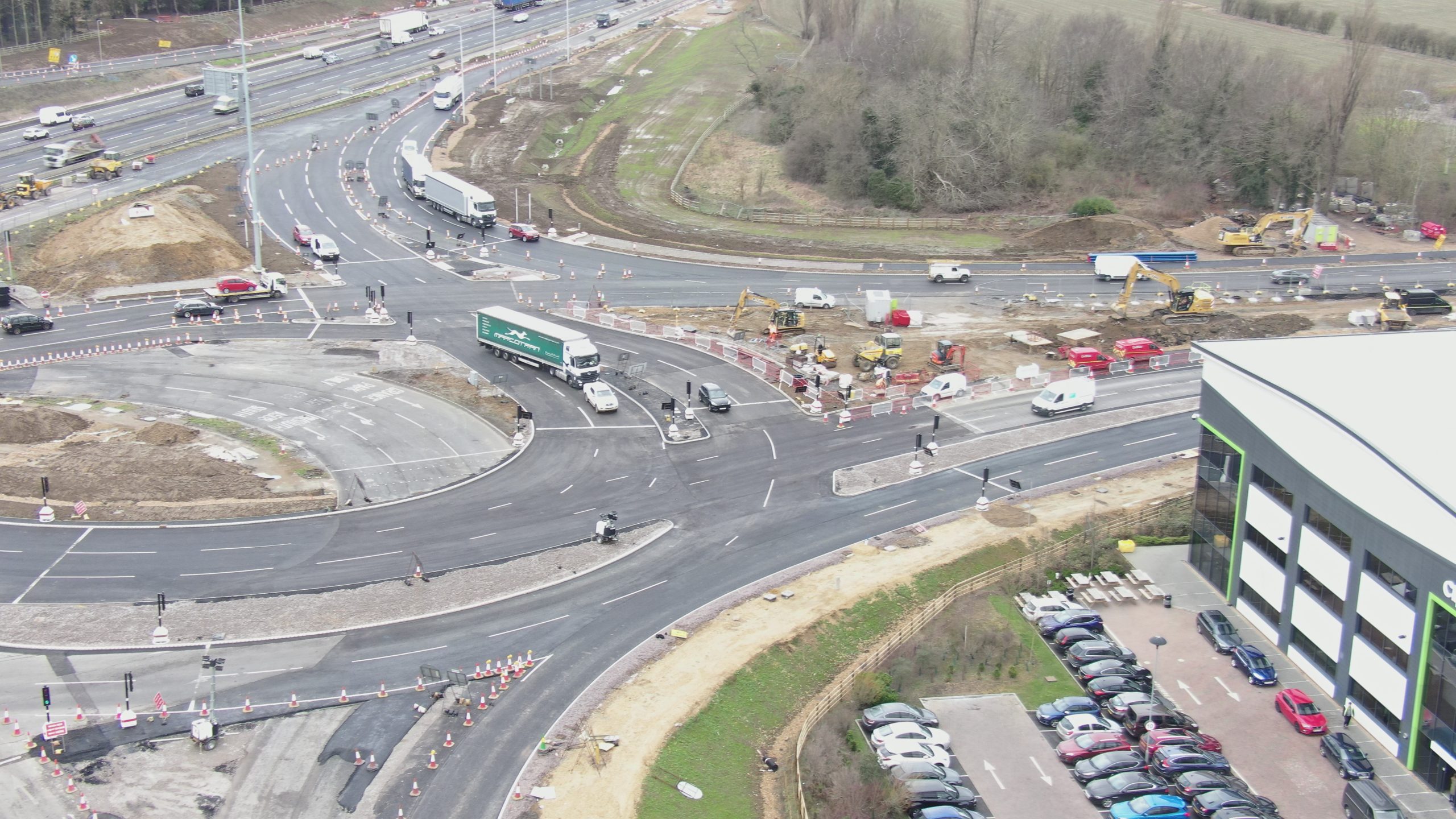
Complex and constrained sites
Custom layouts and control logic for multi-approach, mixed-mode and space-restricted sites.
Overview
Keeping traffic moving in difficult environments
TTG focuses on safety, reliability and operational flexibility where traffic management conditions are most demanding.
01
Dynamic and responsive control strategies
TTG deploys dynamic signal strategies that respond to live demand and site conditions, ensuring shuttle and temporary layouts remain efficient during fluctuating flows and incidents.
02
Remote supervision and rapid intervention
Remote monitoring and configuration allow engineers and operators to adjust signal plans, priorities and timings without visiting live sites, improving responsiveness and reducing workforce exposure.
03
Bespoke design for constrained locations
Partner with TTG
Rapid deployment capability
Portable equipment and pre-configured solutions support urgent and short-notice deployments.
Specialist complex site expertise
Experienced delivery teams design and operate highly constrained and unusual layouts.
Remote operational management
Live monitoring and control reduce on-site intervention.
Improved workforce and road user safety
Reduced site visits and smarter layouts lower operational risk.
Proven temporary traffic delivery
Extensive experience across planned works and emergency schemes.
Case Studies
Across the globe, we work with clients to dream big, challenge conventions and transform our world for the better.